
Humic Acid
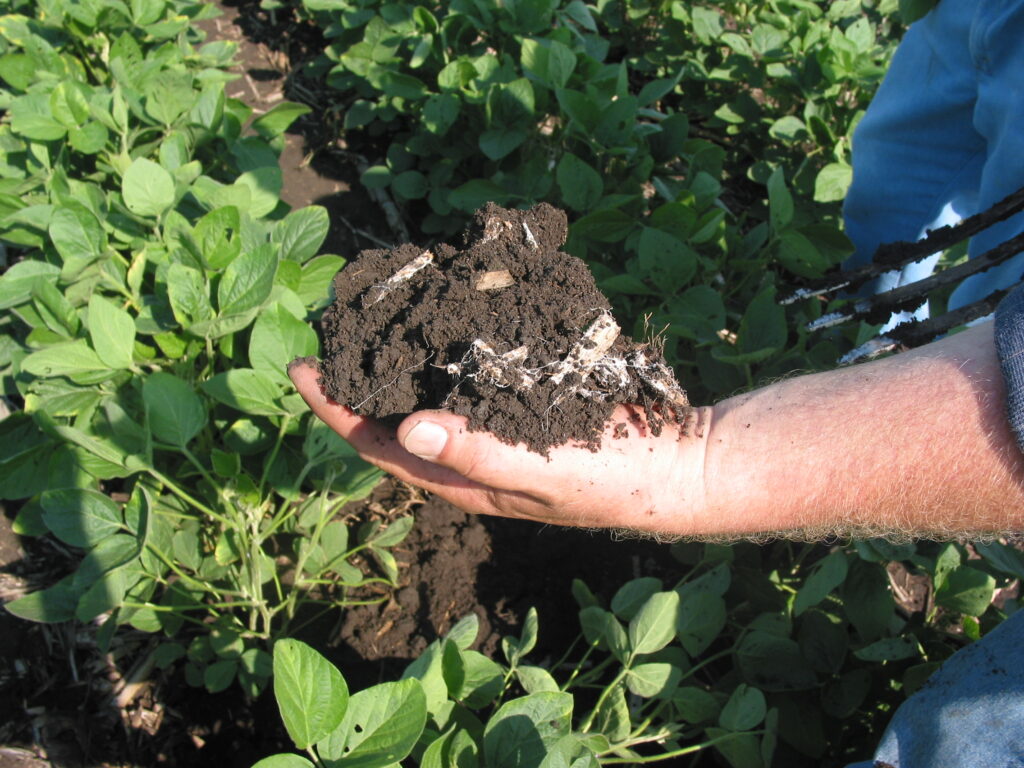
Humic acid is one of the most effective ways to boost soil health, improve nutrient availability, and get more ROI from your fertilizer dollars. Farmers across the Midwest are seeing stronger soil structure, better nitrogen stability, and improved crop resilience when they add humics to their program.
Stop Losing Fertilizer Dollars
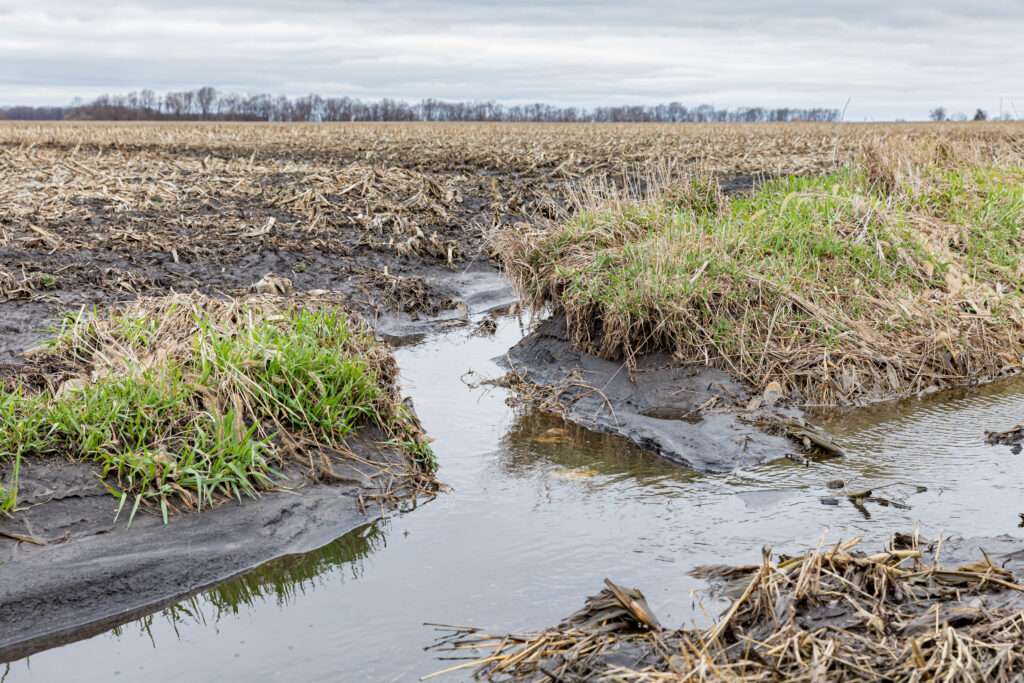
Fertilizer losses from runoff, leaching, and volatilization can waste 40% to 60% of what growers apply, but Ferticell® offers a way to dramatically boost efficiency with 98% plant availability. Powered by single‑cell algae technology—“plants feeding plants,” as Emily Rogers explains—Ferticell nutrients are immediately usable, chloride‑free, highly concentrated, and rain‑fast within hours. Integrated into ProfitProAG’s Recipe for Success – Phase III In‑Season, these products help crops stay green, reduce stress, and improve grain and forage quality throughout the growing season.
Think Like a Soil Microbe
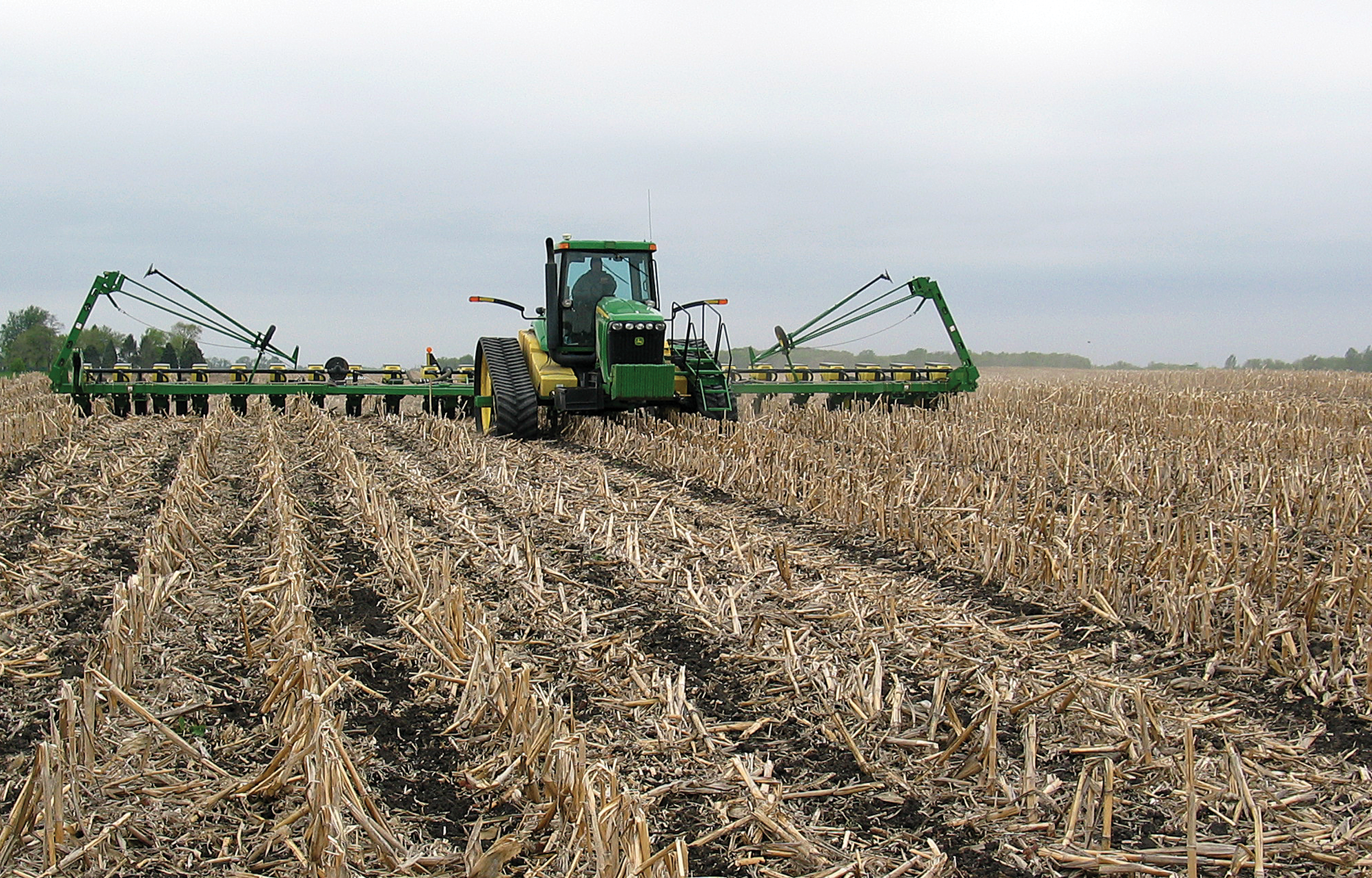
Most farmers don’t realize that up to 60% of applied fertilizer never reaches the crop. Soil expert Ray Archuleta says the key to stopping that loss is simple: think like a soil microbe. When you understand how microbes unlock nutrients, protect your fertilizer dollars, and build healthier soil, everything changes — from plant vigor to long‑term profitability.
When More N Doesn’t Mean More Bushels
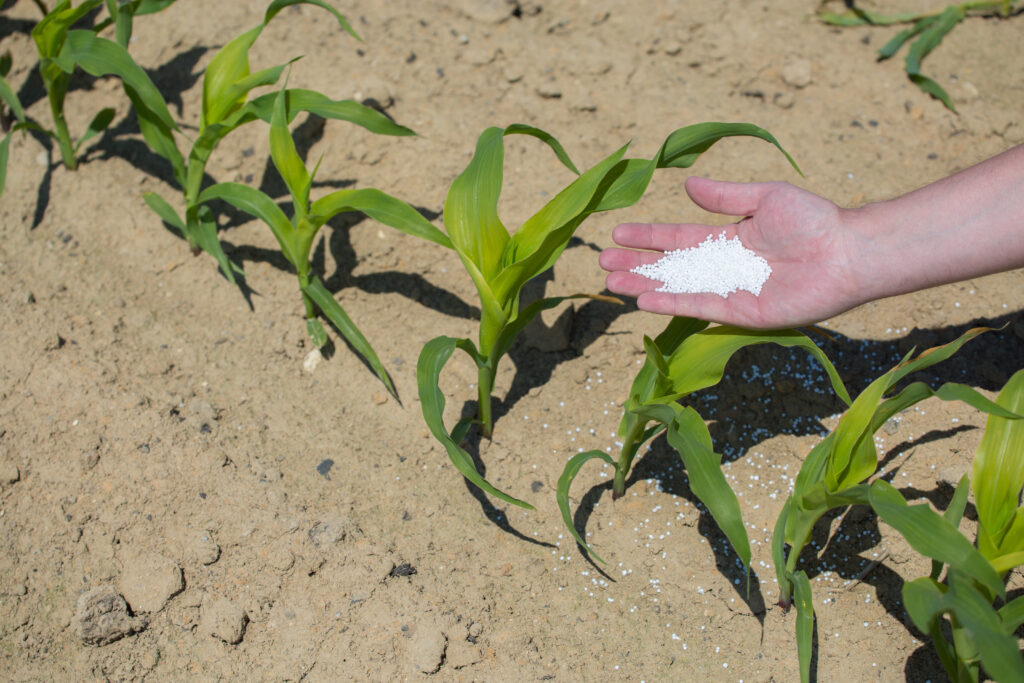
Many growers assume more nitrogen means more bushels — but the data tells a different story. Excess N can overload the plant, fuel weeds, stress soil biology, and leach away before the crop ever uses it. By shifting to split applications, reducing total pounds, and tapping into biological N cycling, farmers can boost ROI while protecting plant health and the environment.
Regenerative Approach to Corn Production
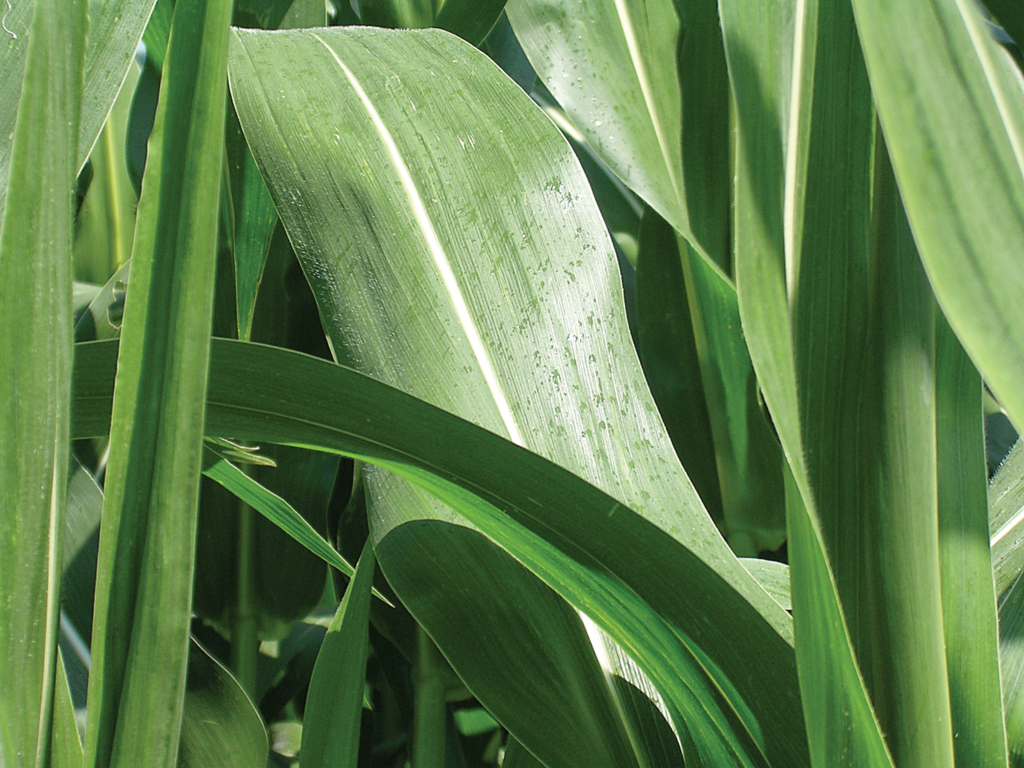
Corn producers are proving that biology can drive both yield and profitability. Recent trials highlight how EnSoil Algae and microbial inoculants (Fish Sh!t) reduce nitrogen needs, amplify fungicide response, and build a more efficient soil system—helping growers maintain performance while lowering input pressure.
Why planting depth still makes or breaks corn yield
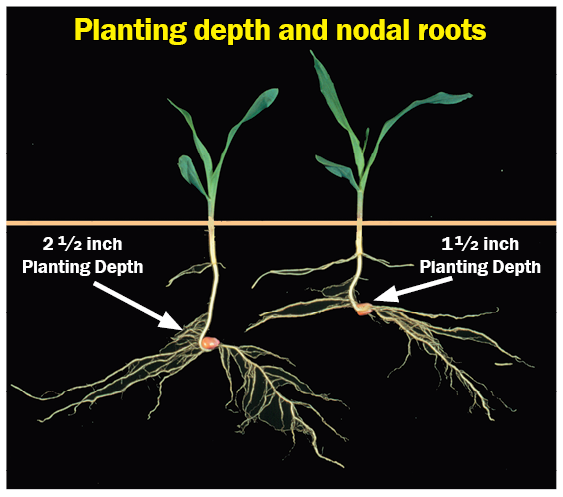
Even with today’s technology, planting depth still makes or breaks early root development, uniform emergence, and season‑long yield stability. The article highlights how shallow placement leads to stressed, surface‑level nodal roots, while overly deep placement drains early energy reserves. As it states, “some of the most profitable management decisions are not the most complex ones.”
What’s Really In Your Soil?
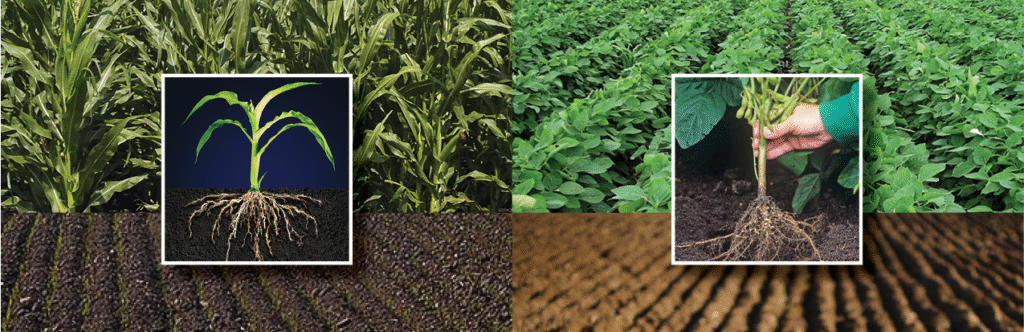
Your fields might look fine this spring—but underneath, nutrients are running low. Modern soils carry far fewer minerals than they used to, and spring conditions only make them harder for crops to access. Learn what’s really happening below the surface and how to rebuild your soil’s mineral bank for stronger, more resilient crops.
Top Takeaways from ProfitProAG’s Winter Conference

High inputs aren’t a badge of honor—and this year’s Winter Conference proved it. Learn the top 10 ways farmers are reducing costs, improving soil health, and building long‑term freedom, from smarter nutrient timing to regenerative practices that eliminate insecticides. “The more you cut unnecessary costs, the more money you’ll have in your bank account.”
Herbicide Performance in Cover Crops

Glyphosate can struggle on cereal rye because it chelates key micronutrients inside the plant, slowing translocation and reducing kill consistency. As Dennis Klockenga explains, “Roundup is a chelator of cations, especially trace elements like manganese, zinc, copper, and iron.” Combined with hard water and high spray pH, this can weaken herbicide performance. Herbolyte and Herbolyte Plus help correct these issues by conditioning the water and supporting nutrient availability, leading to a cleaner, more reliable termination.
Soil Health Is in Crisis — And Farmers Are Paying the Price
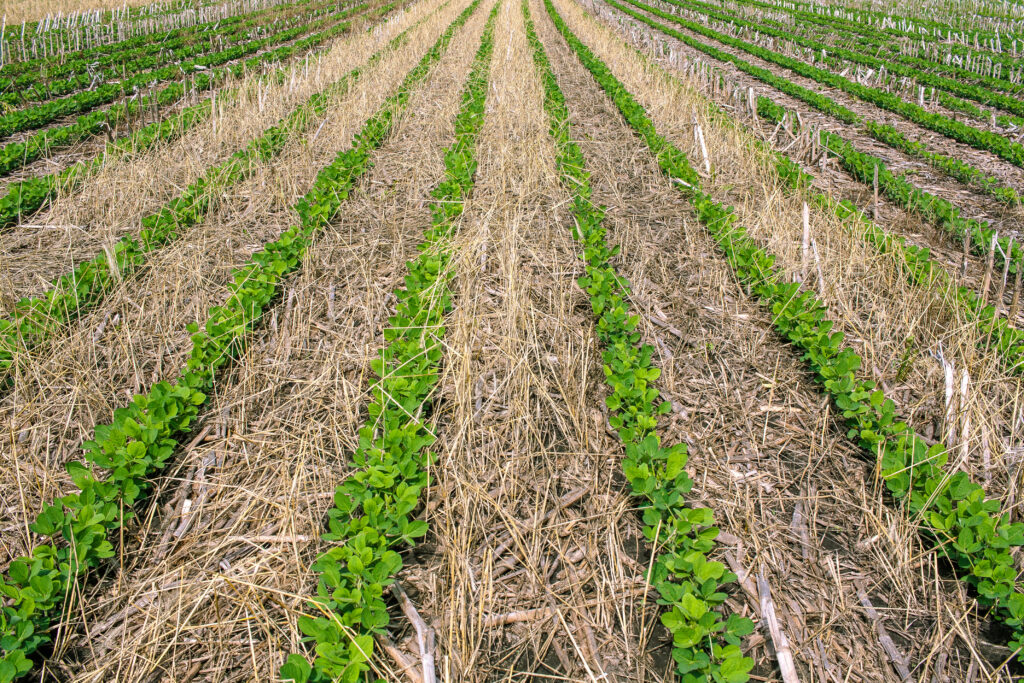
Farmers across the Midwest are feeling the strain as rising input costs and declining soil health push agriculture to a breaking point. This article explores how decades of industrial practices have damaged soil biology—and why regenerative strategies offer a path back to profitability and resilience
