
 Think Like a Soil Microbe to Maximize Your Fertilizer Dollars
Did you know that 60% of the fertilizer that’s applied on conventionally farmed acres never reaches the plants? “If you’re broadcasting fertilizer, the loss is even worse,” said Ray Archuleta (“The Soil Guy”), a featured speaker at ProfitProAG’s 2026 Winter Conference earlier this year.
The losses come from volatilization, leaching, runoff, and poor application timing. However, many of these challenges can be corrected with healthier soils, says Archuleta, who shatters myths about how soil functions.
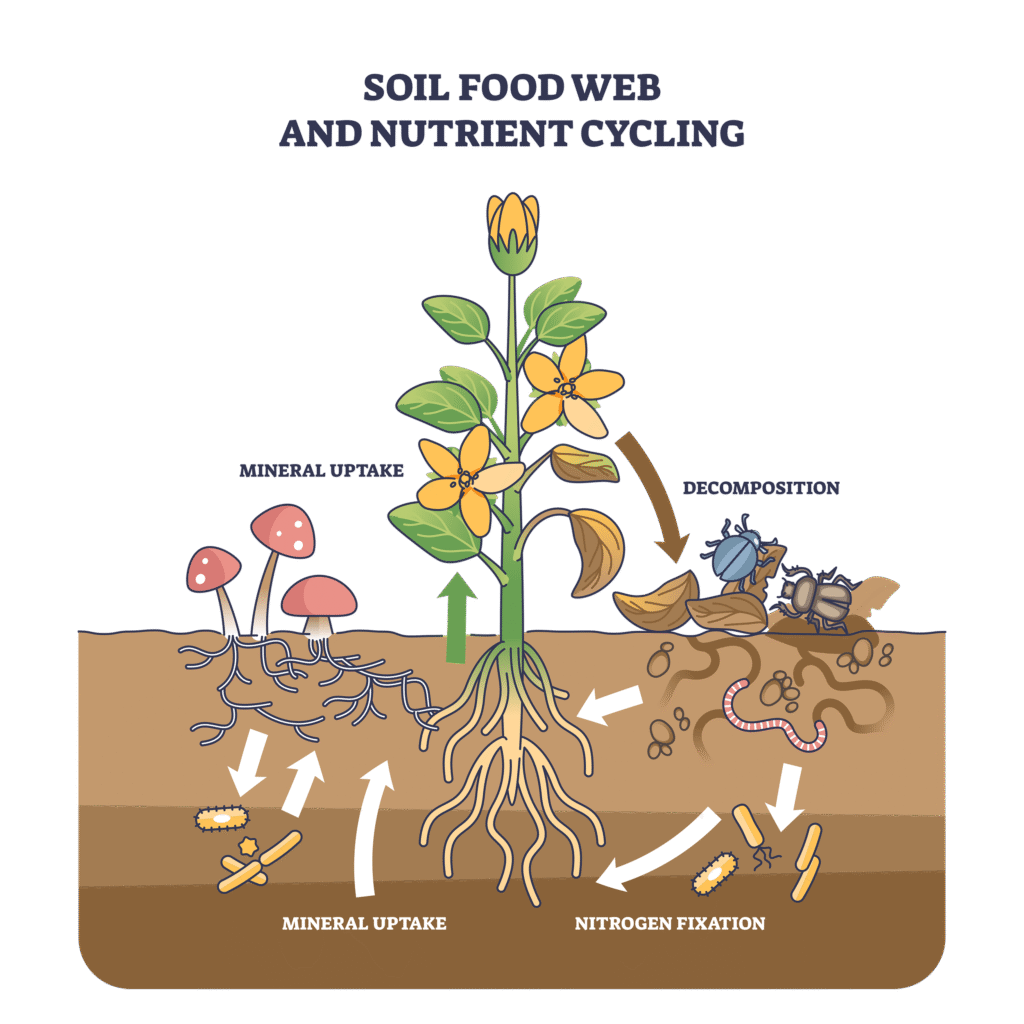
It starts with understanding how soil microbes function in the soil food web—the complex community of organisms living in the soil. The soil food web acts as nature’s operating system, converting organic matter and minerals into plant-available nutrients.
Just how powerful are these soil microbes? They are vital to healthy soil, which produces healthy plants, which grow healthy livestock, which nourish healthy people.
While it has long been widely cited that soil is home to more than 25% of our planet’s biodiversity, newer studies suggest soil is home to more than 50% of all biodiversity. This makes soil the most biodiverse habitat on Earth.
There are more living organisms in 1 gram of healthy soil than there are people on Earth. (One gram is about the weight of a single, small paperclip, and there are more than 8 billion people on Earth.)
These microbes enrich synergistic connections with plants, Archuleta said. Consider beneficial fungi, which help make soil nutrients available to crops. “The plant says, ‘I’ll give you sugar if you bring me nutrients like nitrogen and potassium.”
This works because of root exudates–organic carbon compounds like simple sugars and amino acids that living plant roots release into the soil. These small molecules can bind directly to soil minerals, making them available for plant uptake.
Many fertilizers are made from mined, ground-up rocks and minerals. Just spreading them in the field doesn’t make them plant-available. “What brings minerals out of rocks? Excretions from soil microbes,” Archuleta said.
Protect and feed life in the soil
Healthy soil biology naturally supplies vital plant nutrients, including forms of nitrogen (N). Research by Dr. James White, a professor of plant pathology at Rutgers University, shows that plants can absorb nutrients through interactions with beneficial microbes such as bacteria, fungi, and microalgae that thrive in healthy soil.
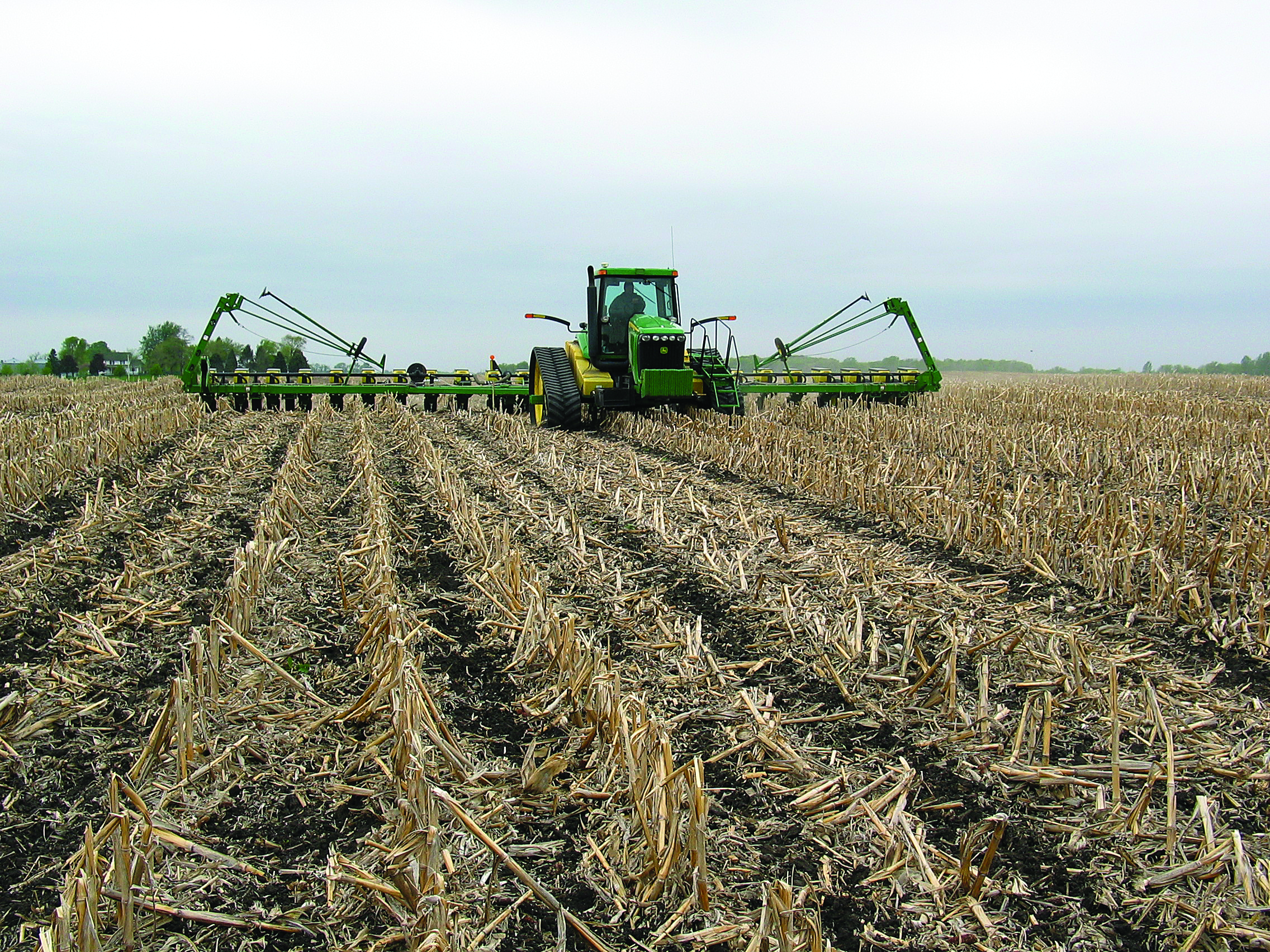
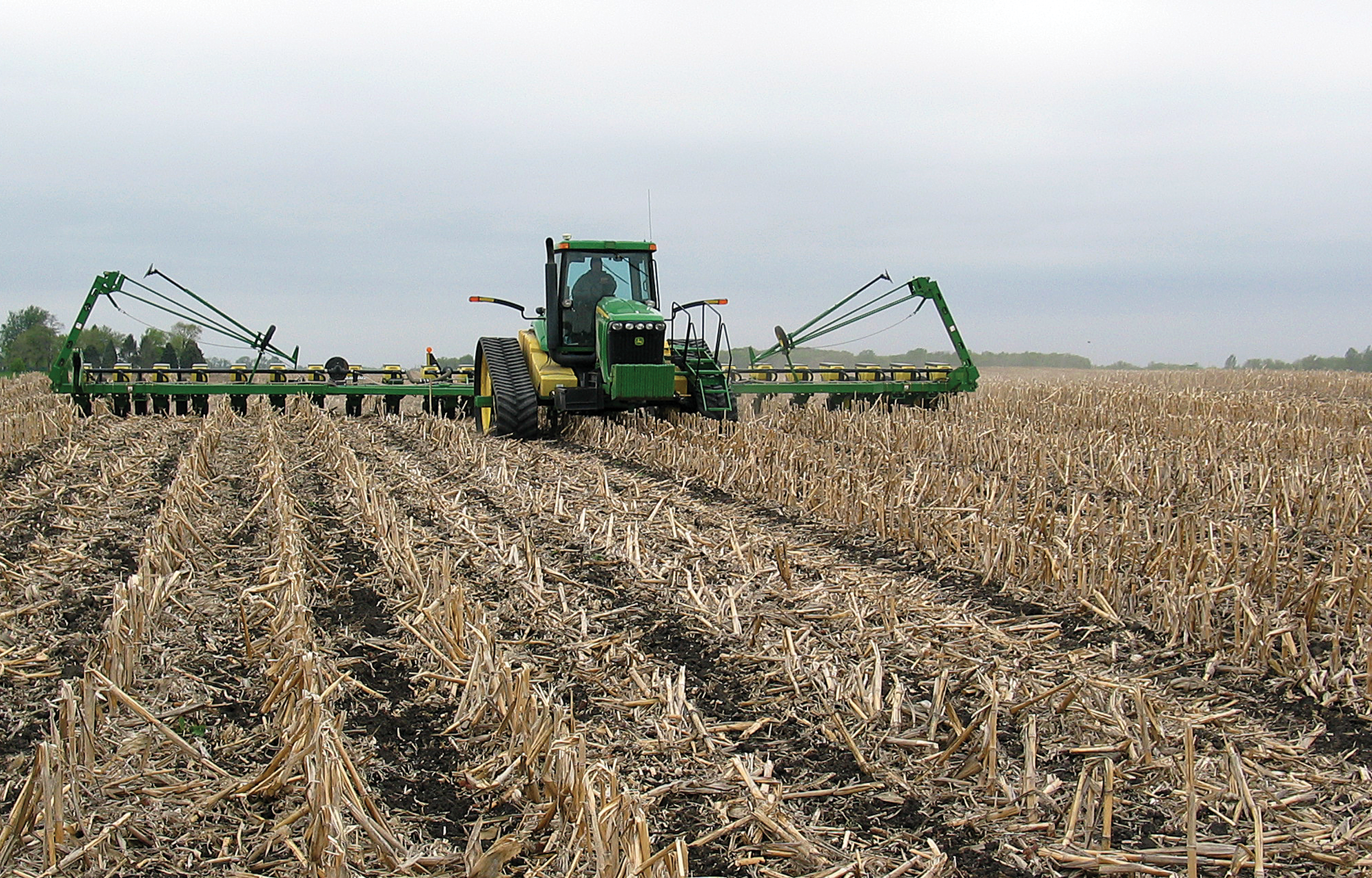
There are some key factors in nurturing these soil microbes, including beneficial fungi. Reduced tillage is a great place to start, says Dennis Klockenga, CCA, a crops specialist with ProfitProAG. Tillage physically destroys the delicate, thread-like hyphal networks of beneficial mycorrhizal fungi. These helpful fungi form symbiotic relationships with the plant roots. In exchange for plant sugars, the fungi’s thread-like hyphae extend deep into the soil to gather nutrients and water.
Cover crops also nurture beneficial soil microbes. Cover crops feed and house soil microbes by providing living roots and organic residue year-round. This continuous supply of energy creates a booming food web that naturally enhances soil structure and boosts nutrient cycling.
Make soil health work on your farm
Building soil health isn’t a mysterious process. “For healing, Mother Nature wants to use her own molecules,” said Archuleta, who favors cover crops, livestock manure and algae.
Consider EnSoil Algae™. This liquid product (available through ProfitProAG) helps stimulate beneficial soil microbes for improved nutrient cycling and higher crop yield potential. Knowing how to use it properly is key to feeding the beneficial soil microbes.
Let’s say a farmer uses anhydrous ammonia and algae. It’s counterproductive to add this algae to your soil, but kill beneficial microbes with anhydrous. “We need to look at more eco-friendly, soil-friendly ways to apply forms of N,” Klockenga says.
Instead of fall-applying N, for example, put on a couple of applications of N closer to the start of the planting season and during the growing season. Side-dressing with Y-drops is a good option. “Your application will be much more effective because it’s readily available when the growing crop needs it,” Klockenga says. These management practices also help prevent leaching and protect the environment, he adds.
Let’s Talk
The bottom line? Profitable farming starts by thinking like a soil microbe. If you’re ready to learn more about soil health and get more from your crop inputs, Klockenga and the ProfitProAG team are ready to help.
